Source Oeko-Tex Certified Chunky Yarn for knitting weaving sewing
Find 30 listings for Oeko-Tex Certified Chunky Yarn suitable for knitting, weaving, and hand knitting. Compare features like eco-friendly properties, fiber types, and certifications including Oeko-Tex 100 and GRS to select the right supplier.
Key considerations
Products List
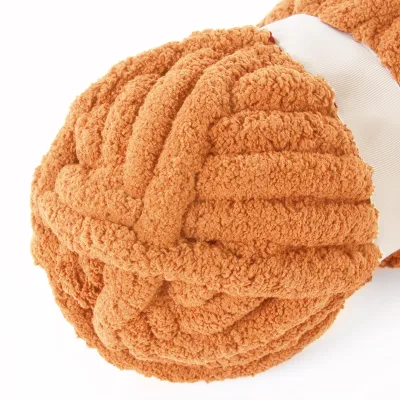


Yarn Crochet Knitting Textile Cotton acrylic Super Chunky Merino Wool Yarn
$6.00 - $10.00
MOQ: 80 kilos


$1.36 - $1.54
MOQ: 24000 kg


Good Quality Plain Acrylic Wholesale Oeko Tex Hand Knitting Acrylic Yarn
$0.34 - $0.38
MOQ: 2000 Pieces


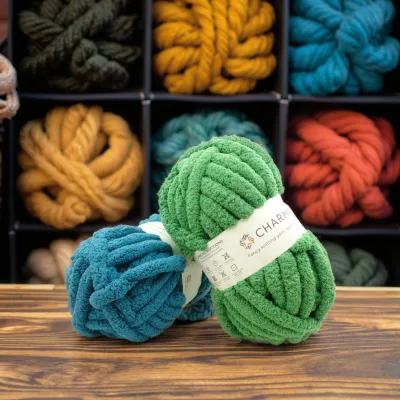

Soft Hand Acrylic Knitting Yarn Chunky Acrylic Yarn Wool Yarn for Knitting and Crochet
$0.15 - $0.50
MOQ: 5000 Pieces

Comprehensive Sourcing Guide
Oeko-Tex Certified Chunky Yarn Sourcing Guide
Sourcing chunky yarn with Oeko-Tex certification requires a disciplined approach to balancing aesthetic appeal with rigorous safety and quality standards. Buyers must recognize that "chunky" describes a visual and tactile thickness rather than a single technical specification, meaning the underlying fiber composition and construction methods vary significantly across suppliers. The presence of an Oeko-Tex certification, particularly Standard 100, serves as a critical verification point that the yarn has been tested for harmful substances, ensuring it is safe for direct skin contact and suitable for end-products like blankets, scarves, and children’s wear. This certification does not automatically guarantee durability or performance characteristics, so procurement teams must treat it as one layer of a broader quality assurance framework.
The market for these materials is diverse, ranging from 100% polyester blends to wool and cotton mixtures, each offering distinct handling properties and end-use applications. Buyers should not assume that all chunky yarns labeled as "chenille" or "texturized" meet the same structural integrity or colorfastness requirements. The observed product landscape includes variations in yarn type, such as DTY (Drawn Textured Yarn) and FDY (Fully Drawn Yarn), which influence how the yarn behaves during knitting or weaving processes. Understanding these technical distinctions is essential for selecting the right material for specific manufacturing needs, whether the goal is high elasticity, anti-pilling performance, or eco-friendly sourcing.
Product Scope and Observed Listing Signals
The current market listings for chunky yarn reveal a wide spectrum of material compositions, including 100% polyester, cotton/polyester blends, acrylic/polyester mixes, and even 100% wool options. This diversity allows buyers to select yarns based on specific project requirements, such as cost efficiency, softness, or thermal properties. However, the presence of multiple material types means that buyers must carefully verify the exact composition before placing orders, as performance characteristics like moisture absorption, breathability, and heat resistance differ markedly between synthetic and natural fibers. For instance, polyester-based chunky yarns often offer high strength and elasticity, while wool blends may provide superior warmth and a natural hand feel.
Listing signals also indicate a variety of processing techniques, including dyed, bleached, yarn-dyed, and raw finishes, alongside specific styles like chenille and melange yarns. These processing methods directly impact the final appearance and texture of the yarn, with dyed options offering vibrant, consistent colors and raw or melange styles providing a more textured, multi-tonal look. Buyers should pay close attention to the "Number of Shares" attribute, which distinguishes between single yarn and multi-ply constructions, as this affects the yarn’s thickness, strength, and suitability for different knitting or weaving applications. Additionally, the availability of customization options suggests that suppliers can tailor color and packaging to specific brand requirements, but this often comes with minimum order quantity (MOQ) constraints.
Technical Specifications to Verify
When evaluating chunky yarn, buyers must verify key technical specifications such as fiber length, yarn structure, and coarseness to ensure compatibility with their manufacturing equipment. The observed data highlights staple fiber yarns and combination fibers, which require different handling during spinning and weaving. Ring-spun structures are noted for their smoothness and strength, making them suitable for high-quality knitted goods, while fancy yarn structures may offer unique aesthetic effects but require specialized processing. Buyers should request detailed technical datasheets that confirm the yarn’s tensile strength, elasticity, and pilling resistance, as these factors directly influence the durability and appearance of the final product.
Color consistency and pattern integrity are also critical technical aspects that require verification, especially for dyed and yarn-dyed options. The availability of multiple colors and colorful variants suggests a broad palette, but buyers must ensure that colorfastness meets industry standards to prevent fading or bleeding during washing or use. Additionally, the packing specifications, such as PP bags or carton boxes, and standard weights like 25kg per bag or carton, impact logistics and storage efficiency. Buyers should confirm whether the supplier offers flat packing or customized packaging solutions, as this can affect the yarn’s protection during transit and ease of use in production lines.
Compliance and Safety Documentation
Oeko-Tex certification is a pivotal element for buyers seeking safe and sustainable yarn products, with Standard 100 being a common benchmark for testing harmful substances. This certification ensures that the yarn is free from regulated chemicals and safe for human use, which is particularly important for products intended for infants, children, or direct skin contact. Buyers should request valid certification documents from suppliers and verify their authenticity through the Oeko-Tex official database, as counterfeit certificates are a risk in the global supply chain. Additionally, other certifications like GRS (Global Recycled Standard), BCI (Better Cotton Initiative), and GOST may be relevant for buyers prioritizing recycled content, sustainable cotton sourcing, or regional compliance standards.
Beyond Oeko-Tex, buyers should assess the supplier’s adherence to other environmental and safety standards, such as Eco-Friendly and Recycled claims, which may be supported by third-party audits. The presence of certifications like Grs and Oeko-Tex 100 indicates a commitment to sustainable practices, but buyers must verify the scope of these certifications to ensure they cover the specific yarn products being purchased. It is also important to check for any additional testing reports, such as flammability or toxicity tests, depending on the end-use application. Buyers should maintain a clear record of all compliance documentation to facilitate audits and ensure regulatory compliance in their target markets.
Cost Drivers and Commercial Terms
The cost of chunky yarn is influenced by several factors, including material composition, processing complexity, and certification requirements. Polyester-based yarns are generally more cost-effective than wool or cotton blends, while dyed and textured finishes add to the production cost. Buyers should analyze the price range of 0.15 to 3000 USD observed in listings, recognizing that this wide spectrum reflects differences in quality, quantity, and customization levels. Minimum order quantities (MOQ) vary significantly, from 1 piece to 24,000 pieces, with higher MOQs often resulting in lower unit prices. Buyers must balance their order volume with storage capacity and cash flow to optimize costs.
Commercial terms such as lead time, delivery time, and payment conditions also impact the total cost of procurement. Observed lead times of 10 days and delivery times of 20-25 days suggest that suppliers have varying production capacities and logistical efficiencies. Buyers should negotiate clear terms for customization, packaging, and shipping to avoid hidden costs. Additionally, the availability of customized packing and standard weights like 25kg/bag can affect logistics expenses. Buyers should request detailed quotations that break down costs for materials, processing, certification, and shipping to make informed decisions and compare suppliers effectively.
Supplier Qualification and Quality Control
Selecting a reliable supplier for Oeko-Tex certified chunky yarn requires thorough qualification and quality control measures. Buyers should verify the supplier’s production capabilities, including their expertise in ring-spun, fancy, and texturized yarns, as well as their ability to handle customization requests. The location of suppliers in China, particularly Tianjin, is a common hub for textile manufacturing, but buyers must assess the supplier’s reputation, financial stability, and track record in exporting to their target markets. Requesting samples and conducting pre-production inspections are essential steps to verify quality before committing to large orders.
Quality control processes should include regular testing for fiber composition, colorfastness, tensile strength, and pilling resistance. Buyers should establish clear quality standards and communicate them to suppliers, ensuring that all products meet the required specifications. Implementing a robust inspection regime, such as third-party inspections or in-house quality checks, can help identify and rectify defects early in the production process. Additionally, buyers should monitor supplier performance metrics, such as on-time delivery rates and defect rates, to ensure consistent quality and reliability over time. Building a strong relationship with suppliers through regular communication and feedback can also enhance quality control and foster continuous improvement.
Long-Term Procurement Checks
Long-term procurement of chunky yarn involves ongoing monitoring of market trends, supplier performance, and regulatory changes. Buyers should stay informed about developments in sustainable materials, such as recycled polyester and organic cotton, which may offer new sourcing opportunities. Regularly reviewing supplier certifications, particularly Oeko-Tex and GRS, ensures that they remain compliant with evolving safety and environmental standards. Buyers should also assess the impact of global supply chain disruptions, such as raw material shortages or logistics delays, on their procurement strategy and develop contingency plans to mitigate risks.
Continuous improvement in procurement processes is essential for maintaining cost efficiency and quality. Buyers should analyze procurement data to identify trends in pricing, lead times, and defect rates, using this information to negotiate better terms and select high-performing suppliers. Implementing a supplier scorecard system can help track performance metrics and drive accountability. Additionally, buyers should explore opportunities for collaboration with suppliers on product development and innovation, such as new yarn structures or eco-friendly finishes, to stay competitive in the market. By maintaining a proactive and data-driven approach, buyers can ensure long-term success in sourcing Oeko-Tex certified chunky yarn.
FAQs
What materials are used for Oeko-Tex Certified Chunky Yarn
The yarn is primarily made from 100% polyester, though cotton, rayon, and wool blends are also available. These materials support various knitting and weaving applications while maintaining the required certification standards for safety and quality.
What is the typical MOQ for Oeko-Tex Certified Chunky Yarn
The minimum order quantity is typically 500 pieces for specific models, though the general range across suppliers is 1 to 24,000 units. Buyers should confirm the exact MOQ with the supplier, as it may vary based on the specific yarn type and customization requirements.
How long is the lead time for Oeko-Tex Certified Chunky Yarn
Standard delivery times range from 10 to 25 days depending on the specific product and order size. Some suppliers offer faster turnaround for standard items, while customized orders or larger volumes may require the longer end of this timeframe.
What certifications are available for Oeko-Tex Certified Chunky Yarn
Products often hold Oeko-Tex 100 certification, along with GRS, BCI, and GOST standards. These certifications verify that the yarn meets specific environmental, social, and safety criteria, ensuring compliance with international textile regulations.
Can Oeko-Tex Certified Chunky Yarn be customized for specific colors
Yes, customization is available for color and pattern, including dyed, bleached, and yarn-dyed options. Suppliers can produce multiple colors and specific patterns to match buyer requirements, though this may affect the final lead time and pricing.
What is the standard packaging for Oeko-Tex Certified Chunky Yarn
The yarn is typically packed in PP bags or carton boxes, with a standard weight of 25kg per bag or carton. Flat packing is also an option for certain models, ensuring efficient storage and transportation for bulk orders.
What are the main uses for Oeko-Tex Certified Chunky Yarn
This yarn is suitable for knitting, weaving, hand knitting, sewing, and embroidery. Its chunky texture and strength make it ideal for creating blankets, garments, and other textile products that require durability and a soft appearance.